DIY Flower Pot - 3D SVG Objects Review
As a brand designer who has spent years refining visual identities for small businesses and digital creators, I approach every new graphic design asset with a mix of optimism and skepticism. We are constantly searching for elements that elevate brand identity without adding visual clutter. Recently, I evaluated the DIY Flower Pot - 3d Papercraft, a unique entry in the Objects category classified as a 3D SVG. This is not just a static image; it is an interactive digital product designed to be assembled into a physical form. My review focuses on how this creative design fits into modern content marketing workflows, particularly for brands looking to bridge the gap between digital aesthetics and tangible experiences.
The First Impression: Mood and Visual Tone
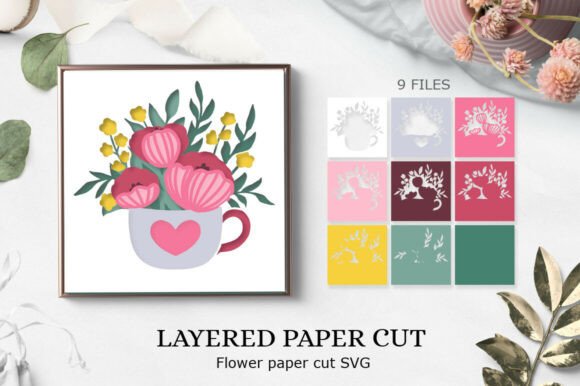
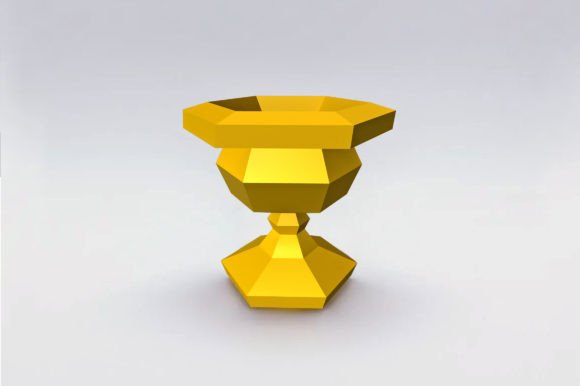
When you first download the files, which include PDF, EPS, DXF, and PNG formats, the immediate takeaway is the tactile nature of the design. Unlike flat vector illustrations, this papercraft model introduces depth and shadow play even in its digital representation. For a content creator or social media manager, this creates an instant mood shift. It feels handmade, intentional, and personal. In a feed dominated by polished, sterile photography, this illustration stands out because it suggests effort and craftsmanship.
The emotional tone is warm, inviting, and slightly nostalgic. It works exceptionally well for brands in the lifestyle, home decor, gardening, or handmade goods sectors. It does not feel like a corporate asset; rather, it feels like a piece of art that invites engagement. If your goal is to build audience trust through authenticity, this asset supports that narrative beautifully. It signals that your brand values detail and creativity, moving away from generic stock imagery toward something more distinctive.
Real-World Application: The Spring Launch Campaign
To test the practical value of this design bundle, I imagined a scenario where a small business owner is launching a spring collection of plant-based skincare products. The challenge is to create a cohesive visual story across multiple touchpoints without spending a fortune on custom 3D modeling.
This is where the DIY Flower Pot - 3d Papercraft shines. Instead of photographing a real pot (which requires lighting setups and styling), the brand can use the high-resolution PNGs for social media graphics while encouraging followers to assemble the physical version. This dual approach enhances visual hierarchy by giving the audience a clear focal point. The papercraft becomes a prop in the campaign, appearing in Instagram posts, Pinterest pins, and even as a printable insert in packaging. It transforms a standard product launch into an interactive experience, driving higher engagement rates than static images alone.
Supporting Marketing Goals and Brand Consistency
A strong graphic design asset must do more than look good; it must serve a strategic purpose. This papercraft model supports several key marketing goals:
- Stronger First Impression: The three-dimensional aspect catches the eye immediately, breaking the scroll pattern on social media platforms.
- Better Product Presentation: By placing your product next to this crafted element, you create a curated scene that looks professional and thoughtfully designed.
- Improved Audience Trust: Handmade-style visuals resonate with consumers who appreciate artisanal quality. It subtly communicates that your brand cares about the details.
- More Memorable Campaign Visuals: Because it is interactive, users are more likely to remember the campaign if they engage with the assembly process or share their own creations.
Furthermore, the inclusion of multiple file formats ensures versatility. You can use the SVG design for scalable web elements, the PNG design for quick social inserts, and the PDF/EPS files for print materials. This flexibility is crucial for maintaining professional branding across diverse channels, from email banners to physical flyers.
Where This Asset Works Best
In my experience, this design element thrives in specific contexts. It is ideal for hero graphics on landing pages where you want to showcase a lifestyle vibe. It works wonderfully as a decorative brand element in editorial layouts for blogs or magazines. For e-commerce sites, it can serve as a packaging accent, perhaps printed on thank-you cards or gift tags.
Social media managers will find it perfect for creating branded templates. Imagine a series of stories where the papercraft pot changes color to match different product launches. It also serves as an excellent lead magnet; offering a free printable version of the flower pot can drive email sign-ups effectively. As a printable design, it adds value to your offerings, making your brand appear generous and creative.
Strategic Limitations and Cautionary Notes
No single asset is universal. While this papercraft model is charming, it requires careful placement. It should be used sparingly in formal corporate branding where simplicity and authority are paramount. In dense information layouts, such as data-heavy infographics, the complexity of the 3D structure might compete with the text, disrupting readability.
Additionally, consider the scale. On small mobile screens, intricate details may become blurry or lost. Always preview the asset on actual devices before finalizing your designs. It is also important to avoid using it on low-contrast backgrounds, as the shadows and folds rely on visibility to convey depth. For overly minimal brands, this asset might feel too busy; in such cases, it is better suited as a subtle background texture rather than a primary focal point.
Practical Brand Designer Notes
To get the most out of this commercial design asset, follow these testing protocols:
- Color Palette Integration: Test the asset against your brand colors. Since it is a papercraft, it relies on shading. Ensure the tones harmonize with your existing palette to maintain visual consistency.
- Typography Pairing: Experiment with font pairings. A serif font can enhance the classic, elegant feel, while a sans-serif font keeps it modern and clean. Avoid script fonts that might clash with the geometric nature of the cutouts.
- Mockup Testing: Place the asset inside real campaign mockups. Check how it interacts with other elements like logos and calls to action.
- Readability Check: Verify that text placed near the asset remains legible. The curves of the pot can sometimes create optical illusions that distract from nearby copy.
- Licensing Verification: Before using this in paid campaigns or client work, confirm the commercial license terms. Most creative marketplace assets allow commercial use, but restrictions on resale or unlimited print runs vary.
Ultimately, the DIY Flower Pot - 3d Papercraft is more than just a cute image; it is a tool for storytelling. It allows brands to inject personality and interactivity into their marketing visuals. For small business owners, online coaches, and creative entrepreneurs, it offers a cost-effective way to produce premium-looking content that resonates on an emotional level. When used strategically, it elevates your web design and social media graphics from ordinary to exceptional.