Microphone 4 Layers 3d Mandala Review
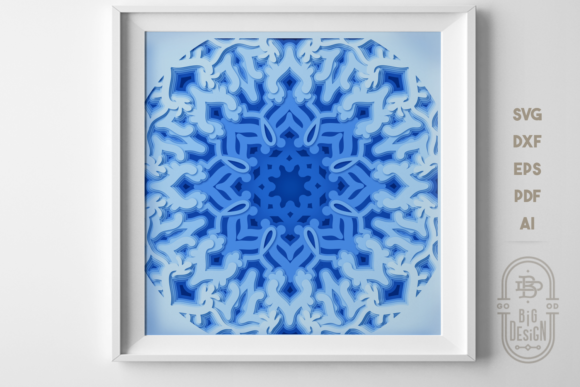
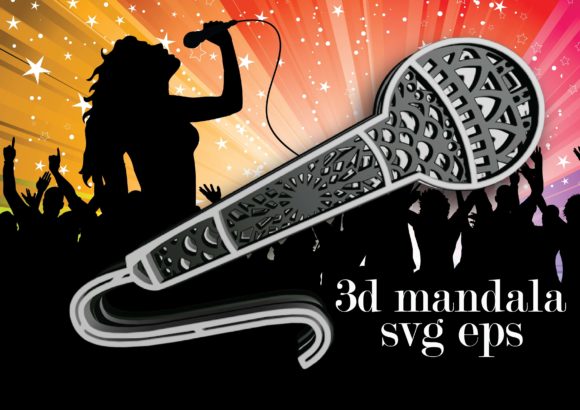
As a designer who spends half the day digitizing and the other half troubleshooting why a specific thread tension is failing, I approach every new design file with a mix of skepticism and curiosity. When I first pulled up Microphone , 4 Layers , 3d Mandala, my initial reaction was less about traditional embroidery and more about structural potential. The description highlights that this is a laser cutting asset consisting of four distinct layers meant to be cut and glued together. However, for those of us in the craft business looking to integrate this into our embroidery project workflows or hybrid handmade products, there are significant considerations to make before sending it to production.
First Impressions and Visual Personality
The name suggests a fusion of audio culture and intricate geometric artistry. Visually, a mandala structure implies symmetry, balance, and a high level of detail. In the context of Shadow Boxes or layered decor, this design promises depth. But when we translate this from a flat vector concept to a tangible product, the mood shifts. It feels bold, artistic, and slightly retro-modern. It does not scream "corporate logo"; rather, it whispers "boutique statement piece."
For an Etsy seller or a maker selling at craft fairs, this design offers a unique selling proposition. It is not just another floral bouquet or a simple monogram. It has visual weight. The 3d Mandala aspect suggests that if executed well—whether through laser-cut acrylic layers behind glass or as a complex appliqué base—it will draw the eye immediately. The microphone element grounds it in music, podcasting, or performance themes, making it highly relevant for niche markets like musician gifts or studio decor.
Real-World Application: From File to Finished Product
Let’s imagine a real scenario. You are preparing inventory for the holiday season. Your best-selling item has always been a personalized tote bag, but you want to elevate it. Instead of a standard print, you decide to use Microphone , 4 Layers , 3d Mandala as a focal point. Because the design allows you to change color without losing quality, you can match the threads perfectly to your brand palette.
If you are treating this as an applique design, the four layers provide excellent opportunities for dimensionality. You could cut each layer from different colored felt or heavy cotton duck canvas, stitch them down using a combination of satin stitch for edges and fill stitch for solid areas, and then glue or tack them together to create a raised effect. This adds tactile value, which customers love. A handmade product that looks and feels substantial commands a higher price point and builds customer trust because it signals effort and quality.
Alternatively, consider this for custom apparel. A heavyweight sweatshirt embroidered with this layered mandala creates a striking graphic tee vibe without the wear-and-tear issues of screen printing. The stitch density needs to be managed carefully here; too dense, and the fabric becomes stiff; too sparse, and the background shows through. For a small shop product targeting musicians or podcasters, this design fits perfectly on the chest pocket of a cap or centered on the back of a hoodie.
Where Caution Is Required
Not every surface is created equal, and Microphone , 4 Layers , 3d Mandala demands respect for its complexity. There are specific situations where this design might struggle:
- Small Hoop Sizes: If you attempt to fit this entire multi-layered mandala into a tiny hoop (like a 4x4 inch area), the details will become muddy. The individual elements of the mandala may merge together, losing their definition. Always confirm the hoop size requirements before committing to a small accessory like a baby onesie or a wristband.
- Textured and Stretchy Fabrics: Embroidering intricate geometric patterns on stretchy jersey knits or heavily textured wools can cause distortion. The layers might shift during stitching, leading to misalignment. For these materials, a strong stabilizer is non-negotiable, and even then, testing is vital.
- Dense Stitch Areas: If the design relies heavily on fill stitches, placing it on thin fabric or delicate items like tea towels can result in puckering. The tension required to hold the dense stitching might warp the final look of the finished product.
- Curved Surfaces: While caps are popular, applying a large, rigid-looking mandala to a curved crown can be challenging. The design may need to be adjusted or scaled down to follow the curve naturally, otherwise, it will look pasted on rather than integrated.
Technical Notes for the Discerning Designer
Before you rush to order fabric or set up your machine, there are practical steps every professional takes. First, test the design on scrap fabric. This is not optional. You need to see how the thread colors interact with your chosen material. Does the contrast pop? Does the running stitch detail get lost against a dark background?
Inspect the small details closely. Mandala designs often contain fine lines and small geometric shapes. Zoom in on your digitizing software. Are those tiny gaps going to close up due to thread bulk? If so, you may need to adjust the stitch density or simplify certain sections digitally before exporting the file. This is part of being a responsible digital product seller; delivering a clean, workable file is better than delivering a pretty image that fails on the machine.
Also, consider the licensing. Since this is described as a file that can be changed in color and size, it is likely a digital asset. If you plan to sell commercial embroidery items featuring this design, ensure you have the right commercial license. Selling finished goods requires different permissions than selling the digital file itself. Clarity here protects your brand consistency and legal standing.
Final Verdict on Value and Appeal
Microphone , 4 Layers , 3d Mandala is more than just a decoration; it is a conversation starter. Its layered nature invites creativity, whether you are using laser cutting techniques to build physical depth or using embroidery to simulate that same dimensionality. It works exceptionally well for personalized gift markets, such as birthdays for music lovers, graduation gifts for aspiring artists, or housewarming presents for home studios.
The ability to scale and recolor without quality loss makes it a versatile tool in your arsenal of design assets. It bridges the gap between modern digital aesthetics and traditional craftsmanship. For the creative entrepreneur, it offers a way to stand out in a crowded marketplace by offering something visually complex yet structurally sound. Just remember: the success of this design lies not just in the file itself, but in your execution. Test thoroughly, choose your fabrics wisely, and let the intricate beauty of the mandala shine through in your embroidery project.